The institution
About The International Institute Of Hair Restoration
IIOHR is an institutional education and workforce development body helping build the standards, certification frameworks, governance systems and professional pathways behind the future of hair restoration medicine.
Global institutional network
Education · Standards · Certification · Workforce
Our purpose
Building The Workforce Behind A New Medical Specialty
Hair restoration medicine is evolving into a global medical category requiring structured education, competency development, clinical standards and long-term professional pathways.
IIOHR exists to help build that institutional foundation.
What we build
Ecosystem Infrastructure For A Global Medical Specialty
IIOHR develops the institutional layers — workforce pathways, research, standards, certification, governance and accreditation — that connect education to accountable clinical practice.
Workforce Development
Professional development pathways, competency architecture and standards-aligned education for every role in the specialty.
ExploreResearch Initiatives
Evidence-based programmes advancing surgical technique, donor science, outcome intelligence and clinical innovation.
ExploreGlobal Standards
Institute-led frameworks for surgery, consultation, safety, audit and outcome reporting across international practice.
ExploreCertification Infrastructure
Competency verification, certification architecture and governed advancement criteria for professional roles.
ExploreGovernance Systems
Structured oversight supporting standards integrity, curriculum review and long-term quality assurance.
ExploreAccreditation Frameworks
Institutional pathways connecting education quality, competency assessment and clinical excellence benchmarking.
ExploreOur role in the ecosystem
One Institution Inside A Connected Infrastructure Network
IIOHR sits within the wider Follicle Intelligence ecosystem alongside FI OS, HairAudit, Hair Longevity Institute and Evolved Hair.
Its role is education, workforce development, standards, certification and institutional governance.
FI OS
Operational workflows, consultation systems, patient systems, surgery systems, payments and clinic infrastructure.
HairAudit
Outcome review, audit systems, quality assurance and long-term procedural intelligence.
Hair Longevity Institute
Long-term hair preservation, regenerative medicine, preventative patient pathways and evolving treatment systems.
Evolved Hair
Live clinical environment where systems, education frameworks and evolving methodologies are continuously tested and refined.
Connected ecosystem architecture
Follicle Intelligence · IIOHR · HairAudit · HLI · FI OS
Institutional foundation
Built From Real Clinical Practice
The institution is shaped by real-world clinical experience, active surgical environments, research development, operational systems and long-term outcome improvement.
That foundation informs how IIOHR designs competency architecture, governance frameworks and standards-aligned education — institution-led, not anecdotal.
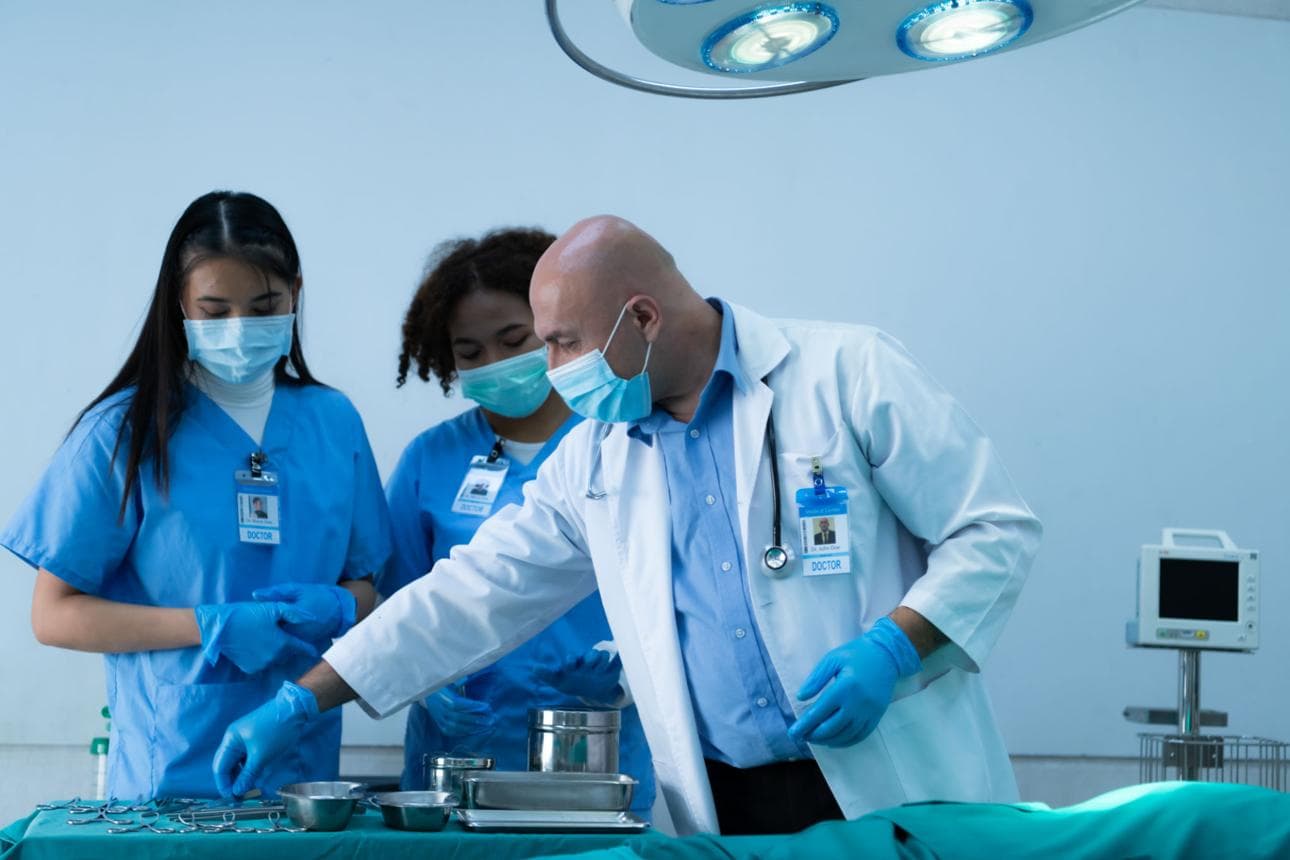
Clinical excellence
Faculty-led surgical competency development
Global direction
Building For Global Standards, Not Local Courses
IIOHR is designed to support international education frameworks, regional centers of excellence, institutional partnerships and future workforce development across the specialty.
Next step
Explore The Institution Building The Future Workforce Of Hair Restoration Medicine
Already approved? Access Academy