Follicle Intelligence Network
Institutional pathways
Structured Pathways Into The Future Workforce Of Hair Restoration Medicine
IIOHR institutional pathways connect workforce development, competency architecture, and standards-aligned advancement — building the professional development infrastructure for an emerging medical specialty within the Follicle Intelligence ecosystem.

Clinical excellence
Faculty-led surgical teaching and mentorship
Workforce development
Progression Follows Responsibility — Not Calendar Time.
Every institutional pathway is designed so advancement requires demonstrated capability, faculty review, and scope alignment — building long-term workforce competency rather than transactional credential completion.
Professional development architecture
Standards-Aligned Institutional Pathways
A single competency spine from eligibility through certification-minded workforce development — governed by review, scope, and institutional accountability.
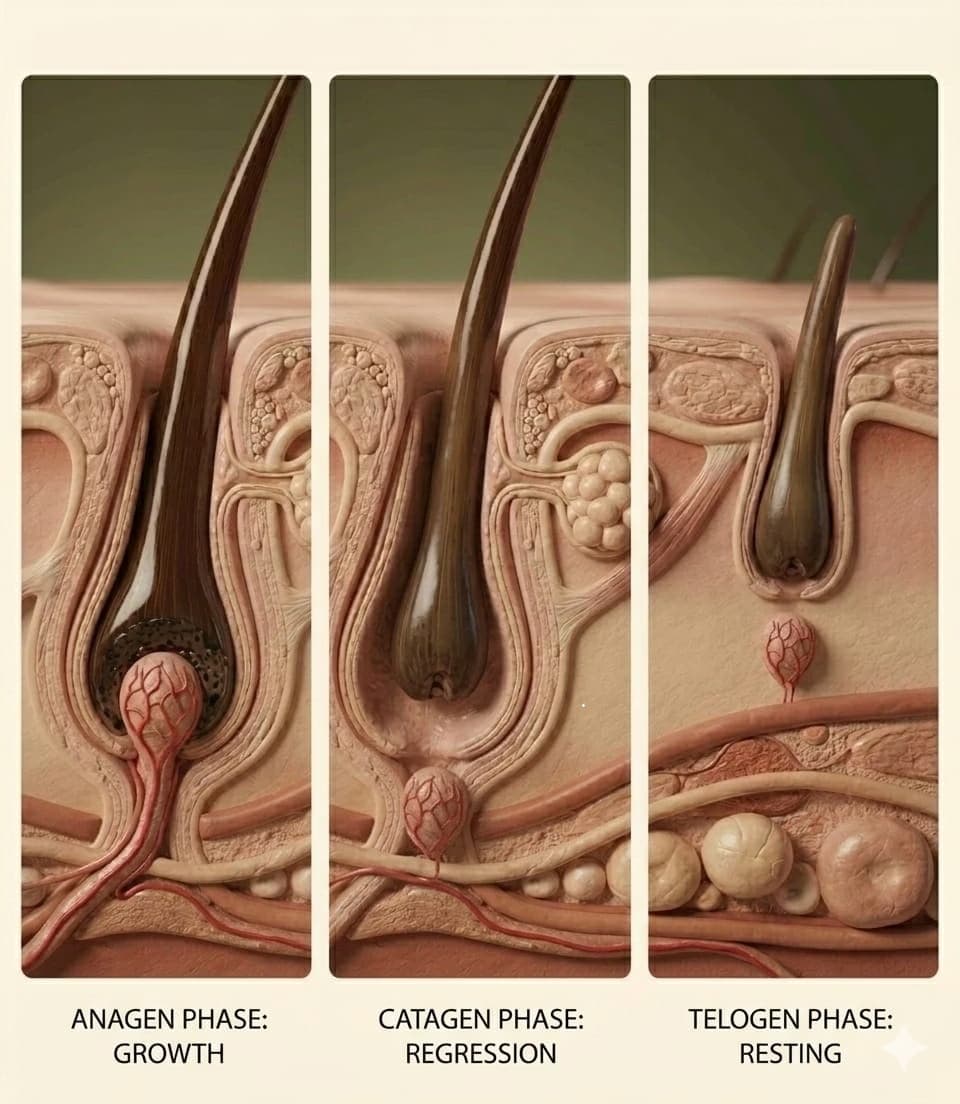
Clinical excellence
Hair growth cycle and competency architecture
01
Role and scope alignment
Institutional pathways begin with professional role — physician, consultant, nurse, or clinic representative — and governed scope of practice.
02
Competency development
Advancement through governed milestones — structured by demonstrated responsibility, not attendance or calendar time.
03
Supervised clinical exposure
Structured development in governed clinical environments where eligibility, faculty oversight, and scope permit.
04
Faculty review
Competency verification through structured institutional review cycles.
05
Integrated professional architecture
Science, clinical performance, standards, and mentorship operate as one institutional spine.
06
Continuing workforce development
Longitudinal pathways as standards, audit discipline, and clinical systems evolve globally.
Connected infrastructure
One Intelligence Layer Across The Field
Workforce development, verification, diagnostics, and clinical infrastructure — unified under Follicle Intelligence as the governing architecture for the specialty.
Global network
Global Centers Of Excellence
Building regional institutional hubs supporting education, standards development, certification frameworks and long-term workforce development globally.
Australia & Oceania
Asia Pacific
Europe
Middle East
North America
Latin America
Africa
Future workforce
Begin Your Journey Into The Future Of Hair Restoration Medicine
Explore institutional pathways shaped by global standards, governed competency development, and connected ecosystem architecture — with admissions review as a downstream step once pathway fit is established.